
Wage Levels and Retention Study for HRDF‑Supported Employees
Assessing wage adequacy and retention of supported employees across Saudi business sectors.
Completed
Project Gallery
Project Overview
Project Components
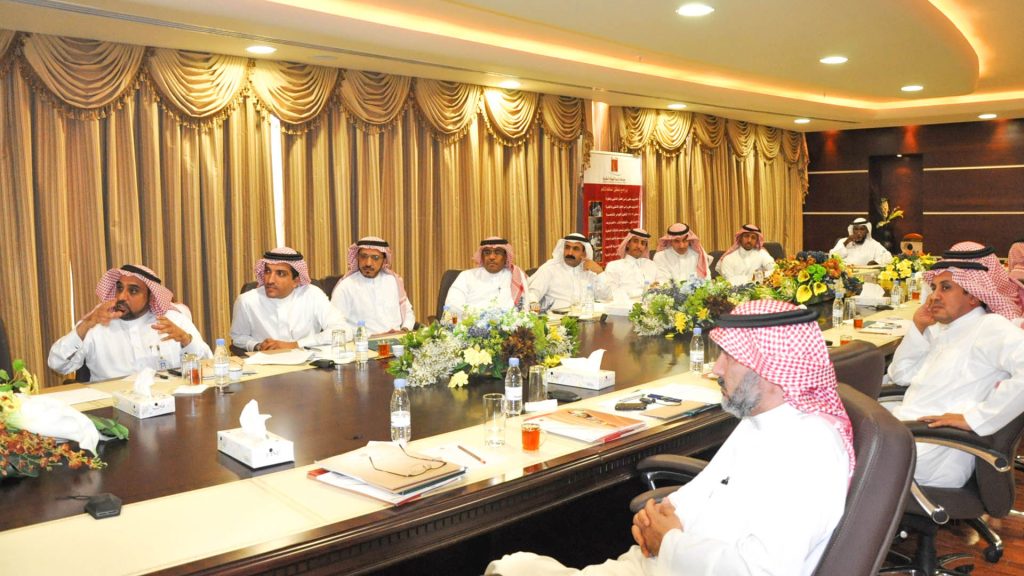
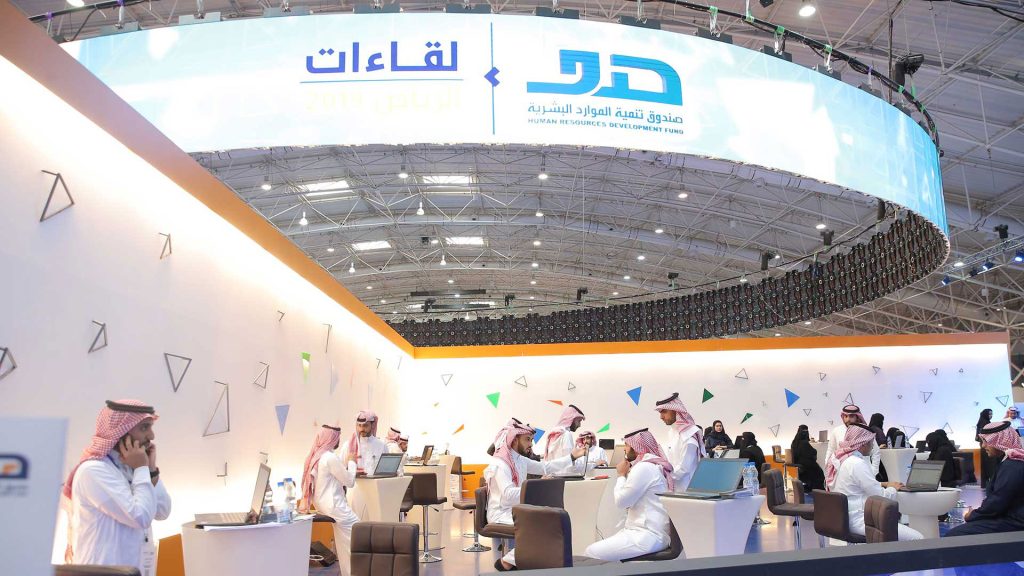
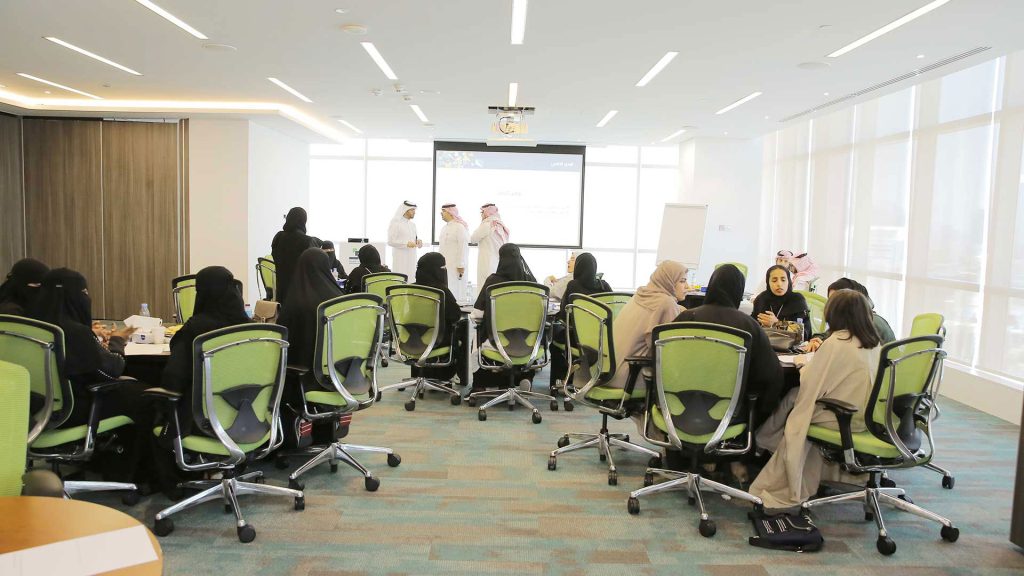
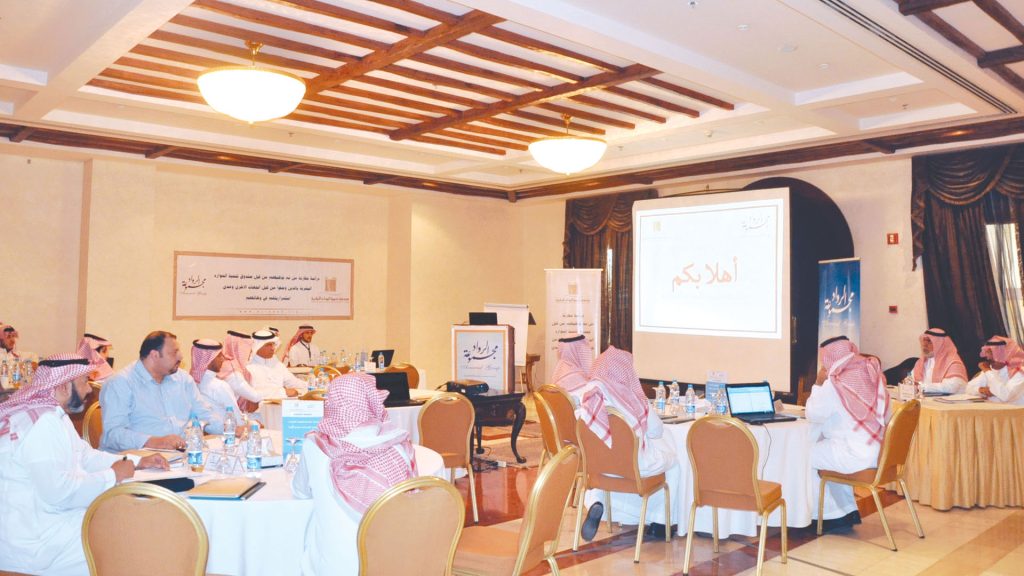
The project conducted a comprehensive study of wage levels across Saudi Arabia’s business sectors and assessed how wages affect the retention of employees supported by the Human Resources Development Fund once support ends. Quantitative and qualitative methods were used across 13 regions, including surveys, interviews, focus groups and workshops. A mathematical model and wage index were developed to compare sectors and inform recommendations.
A. The Challenge
The fund needed reliable data on wage adequacy and employee retention after subsidy periods. Without this insight, policy decisions on wage support and workforce development were based on assumptions rather than evidence.
B. Our Solution
Our researchers gathered data from employers, employees and HR managers through structured questionnaires, deep interviews and focus groups. We built a quantitative model and wage index to analyse wages and retention trends across regions and sectors, and provided recommendations to improve wage policies and support programmes.
C. Key Achievements
The study delivered data‑driven insights into wage competitiveness and employee retention. HRDF now understands sectoral wage disparities and factors influencing continued employment, enabling targeted interventions and policy adjustments to support sustainable workforce participation.
FAQ
What was the objective of the wage levels and retention study
Why is employee retention important after HRDF support ends
How was the wage data collected
Who benefited from the findings of this study
How does wage level affect employee retention
What is the wage index developed in this study
What sectors were included in the wage analysis
Project Summary
Project Information
Client:
Human Resources Development Fund
Value:
1,400,000 SAR
Start Date:
October 21, 2010
End Date:
October 16, 2011
Duration:
Twelve months
Project URL:
Status:
Completed
Additional Information
The Client Phone :
920020301
The Client Email :
Care@hrdf.org.sa
Taxonomies
Service Area:
Research Capacity Building
Client Sector:
Government & Public Entities